Early readers don't just decode letters — they build meaning from the whole page. Illustrations are cheat codes for comprehension: a child who can't read "glimmering" yet still understands the cave scene because light bounces off crystals in the picture.
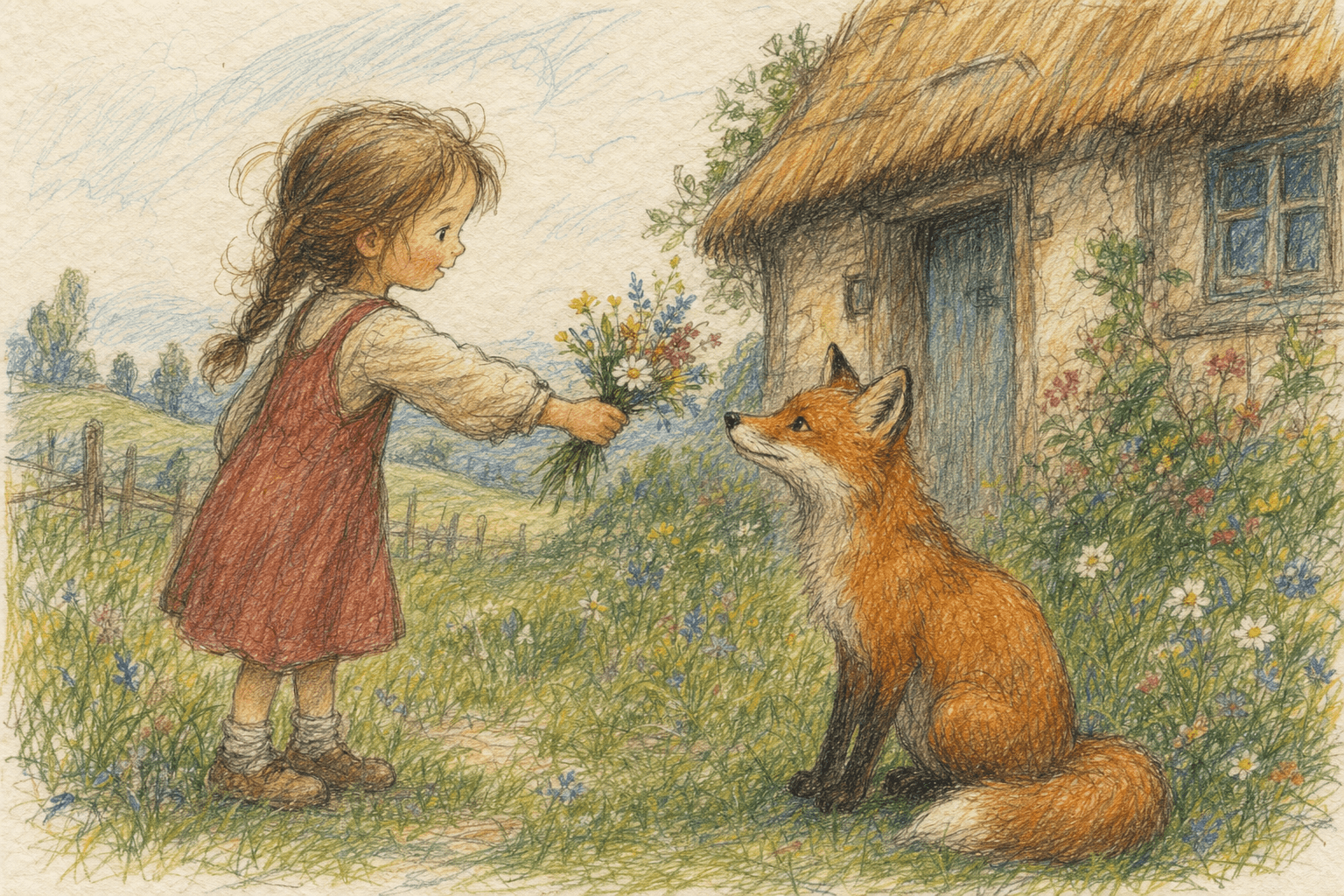
What the research-ish reality looks like
Literacy researchers talk about "dual coding" — words plus images create stronger memories than words alone. In practice: your child connects the spoken word "enormous" to the giant sandwich in the illustration. Next time they see the word, they've got a mental picture.
- Pre-readers use pictures to follow the plot independently.
- Emerging readers check their decoding against the scene ("did I read that right?").
- Older listeners still use art for emotional tone — scary, funny, cozy.
Why personalized illustrations add extra stickiness
Generic books work. But when the hero has your child's curls, or their actual stuffed penguin is the sidekick, attention duration measurably jumps — parents tell us, and it matches what we'd expect from ownership psychology. Kids linger on pages where they spot themselves.
Match the book to their stage
- 2–4: Bold images, short sentences, repetition.
- 5–7: Simple plot arcs, humour, sight-word friendly vocabulary.
- 8+: Chapter-style pacing okay if the story earns it.
When you order a custom story, tell us the age and we'll adjust sentence length and plot complexity. A bedtime book for a four-year-old should not read like a nine-year-old's mystery.